Diesel and no-start work
Codes, cranking tests, fuel and air checks. Diagnosis leads, parts follow, and you hear the reasoning throughout.
The Triangle builds, ships, and grows faster than its roads admit, and its freight pays the difference. A truck that dies on I-40 near the split, or in a Garner distribution yard with a morning route waiting, needs a repair that travels. Raleigh Super Mobile Truck Repair flips the geometry: the wrench rides to the breakdown, carrying stock chosen from your description, and leaves behind a decision dispatch can actually use.
Diesel diagnostics, brakes and air, trailers, tires, electrical, and scheduled fleet care across Raleigh, Durham, and the working towns between.
The behavior, the location, the cargo, the mobility. We convert those into a probable cause, an honest fix-here-or-bay call, and an arrival window quoted against Triangle traffic, which swings from polite to punishing on a stadium schedule.
Two seasons get bonus questions. August heat asks about gauges and coolant history. The occasional January ice event asks how long the truck sat and what the batteries have endured. Both change what the service truck loads before it rolls.
Codes, cranking tests, fuel and air checks. Diagnosis leads, parts follow, and you hear the reasoning throughout.
Loop traffic and construction routes wear brakes hard. Full air-system work at the yard, set to spec.
Marker runs, connector plugs, air plumbing, doors, and legs. A trailer parked at your dock gets repaired at your dock.
Load tests, charging verification, and connector work. Pollen and humidity find weak seals here, so we look there first.
Changeouts and repairs where the truck sits, heat margins respected, duals matched.
Yard maintenance on a calendar, tuned to route patterns and both weather seasons.
The working map: I-40 as the spine, the 440 beltline and 540 outer loop, US-1 and US-70 doing regional duty, and the freight mass stacked in Garner, Clayton, and the RTP-adjacent distribution parks. Durham's warehouse districts and the growing logistics belt toward Mebane fill out the range. It is a spread-out region and we run it daily, which is why our windows hold.
Construction freight deserves its own mention: this metro pours, frames, and paves relentlessly, and the dump fleets and material haulers doing it break down like the working trucks they are. Job site calls are normal calls here, access permitting.
With eyes on the truck, gather:
Distribution fleets in this metro share one background worry: everything is expanding faster than the maintenance plan. We stabilize the truck side of it: maintenance visits that repeat on a calendar, a paper trail per unit, and a warning before a trending problem becomes a stranded route. New facilities get a straightforward onboarding: one visit to learn the yard, then a calendar that fits your routes.
The solo operator hauling regional freight gets the same discipline scaled to one rig, and the same rule about verdicts: plain, prompt, and honest enough to plan on.
That corridor is home turf, and the window we quote reflects where our truck actually is. Southeast Raleigh through Clayton is usually our quickest arc.
If the site allows outside service and the ground supports a service truck, yes. Dumps, mixers on the truck side, and material haulers are regulars. Tell us the site rules and we handle the rest.
Call before it lands. Batteries, air dryers, and fuel treatment beat the rush, and fleets on the pre-storm list get cleared first when the no-start wave hits anyway.
The loop's shoulders vary from workable to grim. If your spot is protected we work it; if not, we point you to the nearest survivable exit lot and meet you there. The loop does not negotiate, so we plan around it.
The Triangle's delivery economy runs on them, and their liftgates, brakes, and batteries are steady work for us. Same standards, same phone.
You hear the visit cost before anything rolls, it merges into the invoice when we do the work, and card or account settles it at the truck. When the phone call already points to a bay, that opinion costs nothing.
Yes, the whole arc from the airport freight lots through the RTP-adjacent distribution parks. Business park addresses hide, so give us the park name and building and the window gets tighter.
Yes. The market runs as one triangle and so do we. Durham warehouse districts, the Mebane-direction logistics belt, and everything on the connecting corridors get the same windows and the same standards.
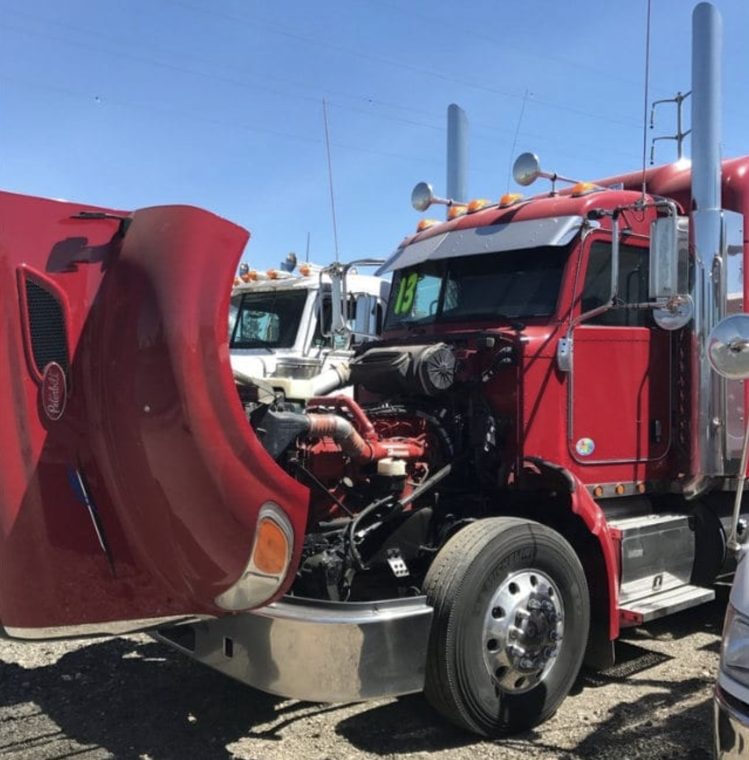
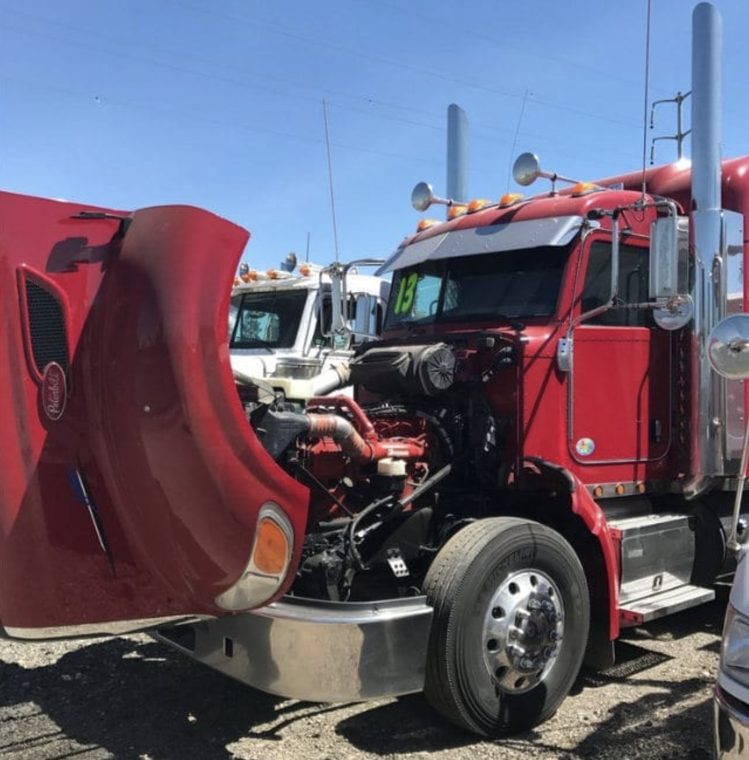
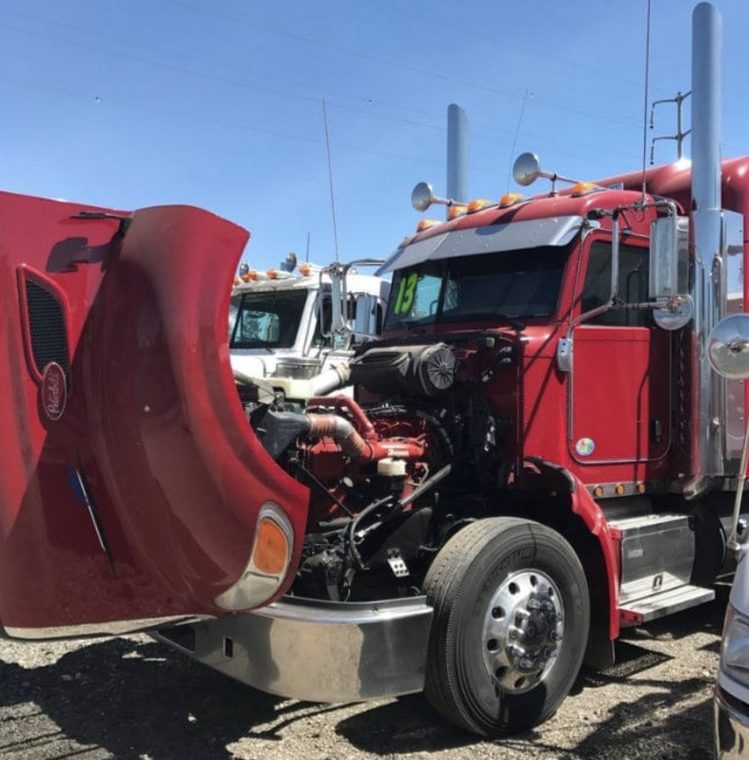
The Piedmont hands equipment a strange mix: southern heat most of the year, a genuine ice storm often enough to matter, and pollen season, which sounds cosmetic until you see what it does to air filters and radiators. Summer work leans batteries, cooling, and tires. The ice weeks flip everything to no-starts and frozen air systems, and fleets that winterize on our November nagging skip the worst of it.
The region's growth adds its own failure mode: new routes, new drivers, and equipment pushed onto duty cycles nobody re-planned for. When a truck starts failing in patterns, we say so, because the fix for a planning problem is not a parts problem.
Pollen season deserves one practical warning: those famous yellow weeks coat radiators and clog filters fast enough to move gauges, and every spring somebody chases a phantom overheat that a garden hose could have fixed. We check the simple causes first, which is cheaper for you and mildly embarrassing for the pollen.
Triangle freight increasingly runs outside business hours: grocery restock after midnight, weekend construction pours, and the delivery waves that dodge daytime congestion on purpose. The dispatch line keeps those hours with it. A Saturday liftgate failure or a 2 a.m. no-start gets the same intake, the same verdicts, and frankly better roads to reach you on. Freight that works nights deserves a service that does not treat them as an imposition.
Every few winters the Piedmont gets a proper ice event, and the region's trucks discover which maintenance plans were real. Bridges close, side roads glaze, and the no-start calls arrive in waves sorted by who skipped their battery check. Our approach is written down and repeated every November: winterize early, treat the fuel, test the batteries, and when the storm lands anyway, call once with the full unit list so the recovery happens in route order instead of panic order. Carolina winters are short. The lessons are supposed to be permanent.
The Triangle's reputation is labs and campuses, but its loading docks tell the truer story: this is a consumption and construction economy that restocks nightly by truck. The equipment doing that work gets our full attention, from the newest fleet tractor to the dump truck on its third owner. Prestige does not fix trucks. Showing up with the right parts does.
Raleigh and Durham freight run as one market with two rush hours, and a bay visit from the wrong side of it burns half a day in transit alone. Mobile service dissolves the geography: the fix drives to the yard, the truck keeps its position, and the schedule keeps its shape. In a region this spread out, that is not convenience, it is the difference between a repair and an ordeal.
Road and exit, failure, cargo, deadline. Verdict, window, technician en route. The process has no step two worth dreading.